Using Glass Bakeware Safely in the Oven
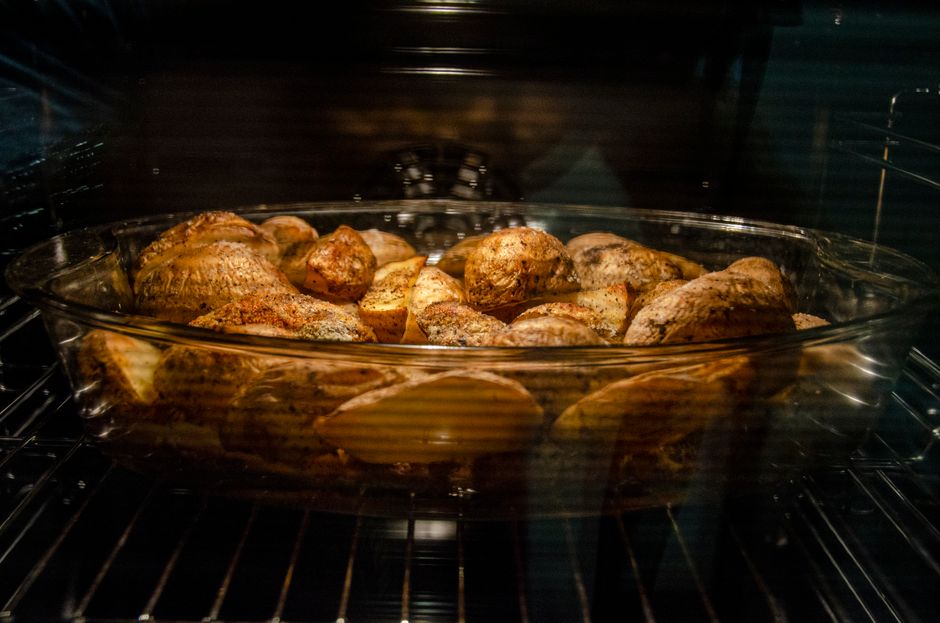
Glass bakeware is a staple in many kitchens due to its non-reactive surface and ability to go from oven to table. However, its safe use requires an understanding of its thermal properties and proper handling techniques. This article explores the temperature limits of glass baking dishes, the importance of avoiding sudden temperature changes, and best practices for using them effectively in the oven.
When glass is manufactured, it is designed to withstand a certain range of temperatures. Yet, real-world usage often involves conditions that can stress the material, such as placing a cold dish into a hot oven or adding cold liquid to a hot dish. By understanding the science behind thermal shock and following manufacturer guidelines, cooks can minimize the risk of breakage and ensure even baking results.
Understanding Thermal Shock and Temperature Limits
Glass baking dishes are typically made from borosilicate or tempered glass, each with distinct thermal characteristics. Borosilicate glass, often used in laboratory glassware, is highly resistant to thermal shock and can tolerate rapid temperature changes. Tempered glass, commonly used for cookware, is strengthened through a process of heating and cooling, making it more durable against impact but still susceptible to thermal stress if exposed to sudden temperature fluctuations.
Most standard glass bakeware is oven-safe up to temperatures around 425°F (218°C) to 450°F (232°C). However, it is crucial to check the specific manufacturer’s guidelines, as some dishes may have lower or higher limits. Exceeding these limits can weaken the glass structure, increasing the risk of shattering. Additionally, placing a glass dish on a direct heat source, such as a stovetop burner or broiler element, is not recommended, as localized heating can cause uneven expansion and breakage.
Thermal shock occurs when there is a significant temperature difference between different parts of the glass. For instance, removing a dish from the oven and immediately placing it on a cold countertop can cause the bottom to contract rapidly while the top remains warm, leading to stress fractures. Similarly, adding cold liquid to a hot dish can induce thermal shock. To prevent this, allow the dish to cool gradually on a trivet or wire rack, and avoid exposing it to cold surfaces or liquids while hot.
Best Practices for Oven Use
Before placing a glass baking dish in the oven, it is essential to preheat the oven to the desired temperature. This ensures that the dish heats up gradually as the oven warms, rather than being subjected to a sudden blast of heat. Some manufacturers also recommend placing the dish in a cold oven and letting it heat up with the oven, but this practice should be verified against the product’s instructions.
When using glass bakeware, it is advisable to avoid broiling, as the intense direct heat can exceed the dish’s safe temperature range. If the recipe calls for broiling, consider transferring the food to a metal pan or using a ceramic dish with a higher heat tolerance. Additionally, avoid using glass dishes on the stovetop, as the open flame or electric coil can cause rapid and uneven heating.
Another important consideration is the use of glass in the microwave. While many glass dishes are microwave-safe, it is essential to verify this before use. Some glass may contain metal trim or decor that can cause arcing. Always use microwave-safe lids or coverings, and allow steam to escape to prevent pressure buildup.
Handling and Maintenance to Prevent Damage
Glass bakeware requires careful handling to maintain its integrity over time. Thermal shock can be minimized by allowing the dish to cool to room temperature before washing. Placing a hot dish into water, even warm water, can cause sudden contraction and lead to breakage. Always use a gentle dish soap and a soft sponge to avoid scratching, as scratches can become stress points.
Inspect bakeware regularly for any chips, cracks, or scratches. Even minor damage weakens the glass and increases the risk of shattering during use. If any damage is visible, it is safer to replace the dish than to continue using it.
Storage also plays a role in maintaining the safety of glass bakeware. Stacking heavy items on top of dishes can cause stress, leading to chips or cracks. Store them individually or with protective padding to prevent impact damage.
Ensuring Even Baking with Glass
Glass is a poor conductor of heat compared to metal, which means it heats up more slowly and retains heat longer. This property can be advantageous for baked goods that benefit from gentle, even heat distribution, such as casseroles and pies. However, it also means that baking times may need adjustment compared to metal pans. Glass dishes can cause edges to brown faster due to the prolonged heat retention, so it may be necessary to lower the oven temperature by 25°F (about -4°C) or reduce baking time.
To ensure even baking, place the glass dish in the center of the oven, away from the walls and heating elements. This allows for consistent air circulation. Avoid opening the oven door frequently, as temperature fluctuations can affect baking and also stress the glass.
Using the correct size of dish is also important. Overfilling a glass dish can cause spills and uneven baking, while an overly large dish can lead to shallow layers that bake too quickly. Following the recipe’s recommended dimensions helps achieve optimal results.
Understanding the Role of Temperature Settings
Many recipes specify a range of temperatures that are suitable for glass bakeware. It is important to recognize that glass can withstand high temperatures, but not necessarily direct high heat. For instance, a 350°F (177°C) oven is within the safe range for most glass dishes, but a broiler setting, which can exceed 500°F (260°C), is not.
When using a glass dish in a convection oven, the fan circulates hot air, which can cause the dish to heat faster than in a conventional oven. In such cases, it may be advisable to lower the temperature by 25°F (about -4°C) and check for doneness earlier than the recipe indicates. This approach compensates for the increased heat transfer.
It is also worth noting that some glass bakeware is designed for both oven and freezer use. However, moving directly from the freezer to a hot oven is a classic example of extreme thermal shock and should be avoided. Instead, let the dish thaw in the refrigerator or at room temperature before placing it in the oven.
Conclusion
Using glass bakeware safely in the oven revolves around understanding its thermal limits and handling it with care. By respecting temperature ranges, avoiding sudden temperature changes, and properly maintaining the dishes, cooks can enjoy the benefits of glass bakeware without concern. While no method can completely eliminate the risk of breakage, these precautions significantly reduce the likelihood and contribute to more predictable baking outcomes. As with any kitchen tool, informed usage is the key to safety and performance.