Daily Cleaning Tips for Non-Stick Pans
Maintaining the non-stick surface of cookware is a key aspect of daily kitchen routines. For those who use non-stick pans regularly, understanding the proper cleaning methods can contribute to the longevity and performance of the coating. The focus is not on achieving immediate results but on consistent, careful handling that prevents damage over time. This article outlines practical steps and considerations for daily cleaning, emphasizing the avoidance of abrasive tools and strong chemical detergents.
Non-stick pans are designed with a coating that reduces friction, allowing food to release with minimal oil or butter. This coating, often made from PTFE or ceramic-based materials, can be sensitive to physical abrasion and harsh chemicals. By adopting a gentle cleaning routine, users can help maintain the integrity of the surface, which in turn supports consistent cooking outcomes. The following sections provide methodical approaches to cleaning, drying, and storing these pans, all while highlighting the importance of using appropriate tools and products.
Understanding the Coating and Its Sensitivity
To appreciate why certain cleaning methods are recommended, it is helpful to understand the nature of non-stick coatings. These surfaces are engineered to be smooth and low-friction, but they are not indestructible. Abrasive sponges, scouring pads, and metal brushes can scratch the surface, creating micro-abrasions that may compromise the coating’s integrity. Over time, such damage can lead to food sticking and a reduction in non-stick performance.
Similarly, harsh detergents containing strong solvents or bleach can interact with the coating, potentially causing discoloration or degradation. While occasional exposure may not cause immediate visible changes, repeated use of these products can weaken the surface. It is therefore advisable to choose mild, pH-neutral dish soaps that are free from aggressive additives. Reading product labels can help in identifying suitable detergents that are gentle on cookware.
Additionally, the way pans are handled during cleaning matters. Dropping or banging the pan can cause chipping, so careful handling is recommended. Even the temperature of the water can play a role: allowing a hot pan to cool before washing prevents thermal shock, which might warp the pan or affect the coating. By adopting a gentle approach, users can help ensure that the non-stick surface remains functional for a longer period.
Step-by-Step Cleaning Routine
A systematic daily cleaning routine can be both time-efficient and protective for non-stick pans. The process begins with allowing the pan to cool down after cooking. Placing a hot pan directly into cold water can cause warping or damage, so it is best to wait a few minutes. Once cooled, the pan can be rinsed under warm tap water to remove loose food particles.
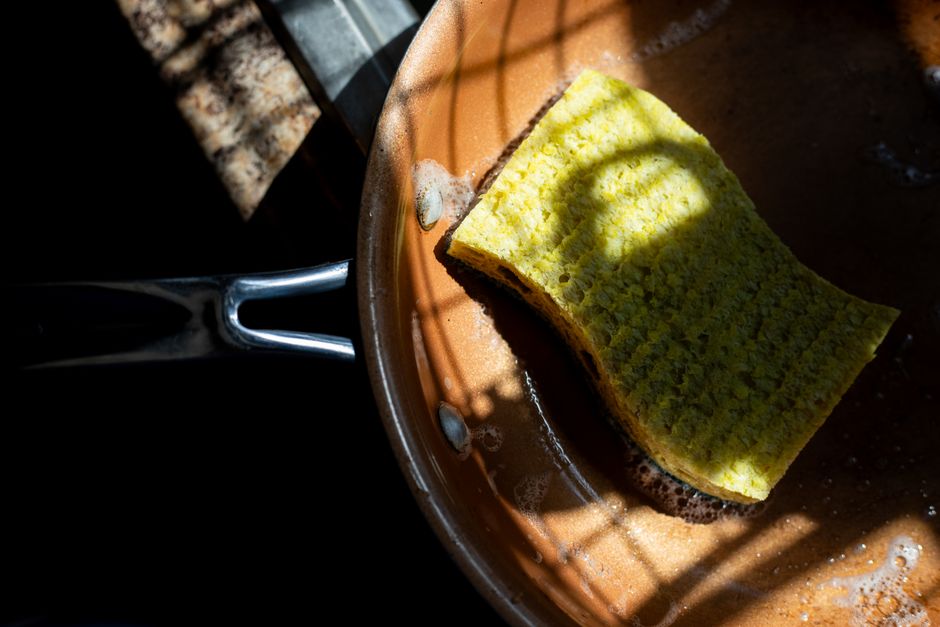
For stubborn residues, soaking the pan in warm, soapy water for a short period can help loosen food without requiring aggressive scrubbing. Using a soft sponge or a non-abrasive cloth, gently wipe the surface in a circular motion. It is important to avoid using steel wool or abrasive nylon pads, as these can leave scratches. If food remains stuck, a paste of baking soda and water can be applied, but it should be rinsed thoroughly afterward.
After washing, rinse the pan completely to remove any soap residue. Then, dry the pan with a soft towel or let it air dry. Storing the pan properly is also part of the cleaning routine: stacking other cookware on top of the non-stick surface can cause scratches. Consider placing a protective liner between pans or hanging the pan if space allows. By following these steps, the daily cleaning process becomes straightforward and minimizes the risk of damage.
Choosing the Right Tools and Detergents
The selection of cleaning tools and detergents is a critical factor in preserving non-stick coatings. As emphasized, abrasive sponges and harsh detergents should be avoided. Instead, opt for sponges labeled as non-scratch or those made from soft materials like cellulose or microfiber. These are effective for everyday cleaning without posing a risk to the surface.
Detergent choices should also be made with care. Many standard dish soaps are formulated to be gentle and are suitable for non-stick surfaces. However, certain detergents containing citrus, bleach, or other strong chemicals may be too aggressive. It is advisable to choose a mild detergent with a neutral pH and to use the recommended amount. Using too much soap can leave a residue, so a small amount is usually sufficient.
In addition, some manufacturers offer specific cleaner products designed for non-stick cookware, but they are often unnecessary for daily care. Simple, routine cleaning with the right tools is typically enough to maintain the surface. By being mindful of tool and detergent choices, users can avoid common pitfalls that lead to premature coating failure.
Addressing Stubborn Stains and Residue
Despite regular cleaning, non-stick pans may occasionally develop stubborn stains or baked-on residue. In such cases, it is tempting to resort to heavy-duty methods, but these should be avoided. Instead, a gentler approach is recommended. For instance, mixing baking soda with water to form a paste and applying it to the affected area can help lift residue without scratching. Leave the paste on for a few minutes, then gently wipe with a soft cloth. This method is effective for many types of residue and is safe for the coating.
For greasy residue, a vinegar and water solution can be used to break down oils. However, it is important to rinse thoroughly afterward to remove any acidic residue. Another option is to simmer a small amount of water and mild dish soap in the pan for a few minutes, which can help loosen food particles without aggressive scrubbing. These techniques respect the sensitivity of the coating and are preferable to using metal tools or harsh chemicals.
It is also worth noting that some discoloration is normal over time and does not necessarily affect the non-stick performance. Minor staining can often be reduced with the gentle methods described, but accepting some wear is part of regular use. The goal is to maintain the coating’s function, not to keep the pan looking brand new indefinitely.
Maintaining Coating Performance Over Time
Proper cleaning is a foundation for long-term coating performance, but other factors also contribute. For instance, using silicone or wooden utensils instead of metal ones minimizes scratching during cooking. Heating the pan gradually and avoiding extreme temperatures can prevent thermal stress. Additionally, using a small amount of oil or cooking spray can create a barrier that reduces sticking and makes cleaning easier.
It is also advisable to inspect the pan regularly for signs of wear, such as peeling or significant scratching. If the coating is compromised, it may be time to consider replacing the pan. However, with consistent care, many non-stick pans can last for years. The daily cleaning routine presented here aims to support that longevity by preserving the coating’s integrity.
In summary, daily care for non-stick pans revolves around gentle handling, appropriate tools, and mild detergents. By avoiding abrasive sponges and harsh detergents, and by implementing a consistent cleaning method, users can help ensure that their pans continue to release food easily and perform well over time. The information provided is intended to be informative and methodical, without asserting guaranteed outcomes, as actual results depend on various factors including usage patterns and product quality.